Mumbai, India's financial capital and a city of breathtaking contrasts, has long captivated visitors from ground level — but a revolution in the skies changed everything. The story of helicopter rides over this iconic metropolis is one of ambition, innovation, and the irresistible desire to see the City of Dreams from above.
Mumbai's relationship with aviation dates back to the early 20th century, when the city emerged as one of British India's most strategically important ports and commercial hubs. The first organized use of helicopters in the Mumbai region can be traced to the 1950s and 1960s, shortly after India gained independence in 1947. During this era, helicopters were primarily deployed for governmental, military, and offshore oil industry operations. The Pawan Hans Helicopters Limited, established in 1985 as a public sector undertaking, played a foundational role in bringing rotary-wing aviation to civilian and commercial sectors across India, including the greater Mumbai region.
The offshore oil and gas fields discovered in the Bombay High region of the Arabian Sea in 1974 became one of the most significant early drivers of helicopter operations around Mumbai. The Oil and Natural Gas Corporation (ONGC) required regular transport of personnel and supplies to and from offshore platforms, making helicopter services an operational necessity rather than a luxury. Mumbai's Juhu Aerodrome, one of Asia's oldest airports established in 1928, became the principal base for these helicopter operations. This laid the critical groundwork for the infrastructure and regulatory frameworks that would later enable commercial sightseeing helicopter tours to flourish over the city.
The transformation of helicopter travel in Mumbai from a purely functional tool to a leisure and tourism experience was gradual but significant. Through the 1990s, as India's economy began liberalizing following the landmark 1991 economic reforms, a growing affluent middle class and a surge in international tourism created new appetites for premium experiences. Charter helicopter services began catering to corporate clients, Bollywood celebrities, and high-net-worth individuals who needed rapid transport across Mumbai's notoriously congested road network. This cultural association between helicopters and aspirational living became deeply embedded in the city's popular imagination, often reinforced through iconic Bollywood film sequences filmed over Mumbai's skyline.
The launch of dedicated sightseeing helicopter tours over Mumbai marked a pivotal moment in the city's tourism evolution. Operators began offering structured aerial tours that showcased Mumbai's most iconic landmarks from a perspective previously reserved for the elite. Passengers could witness the sweeping arc of Marine Drive — famously known as the Queen's Necklace — the dense urban tapestry of Dharavi, the grandeur of the Gateway of India, and the sparkling coastline of Juhu Beach all within a single breathtaking flight. These tours typically range between 15 and 30 minutes and operate from Juhu Aerodrome, which serves as the primary hub for civilian helicopter departures in the city.
Mumbai's unique geographic character — a narrow peninsula flanked by the Arabian Sea to the west and Mumbai Harbour to the east — makes it exceptionally well-suited to aerial sightseeing. Operators recognized that no ground-level vantage point could replicate the sensation of watching the Bandra-Worli Sea Link's elegant cables emerge from the morning haze, or observing the sheer density of Dharavi's 2.39 square kilometers housing nearly one million residents. This geographic drama, best appreciated from altitude, gave helicopter tour operators a compelling and irreplaceable product. By the 2000s, aerial tourism had become a recognized niche within Mumbai's broader hospitality and tourism ecosystem, attracting both domestic and international visitors.
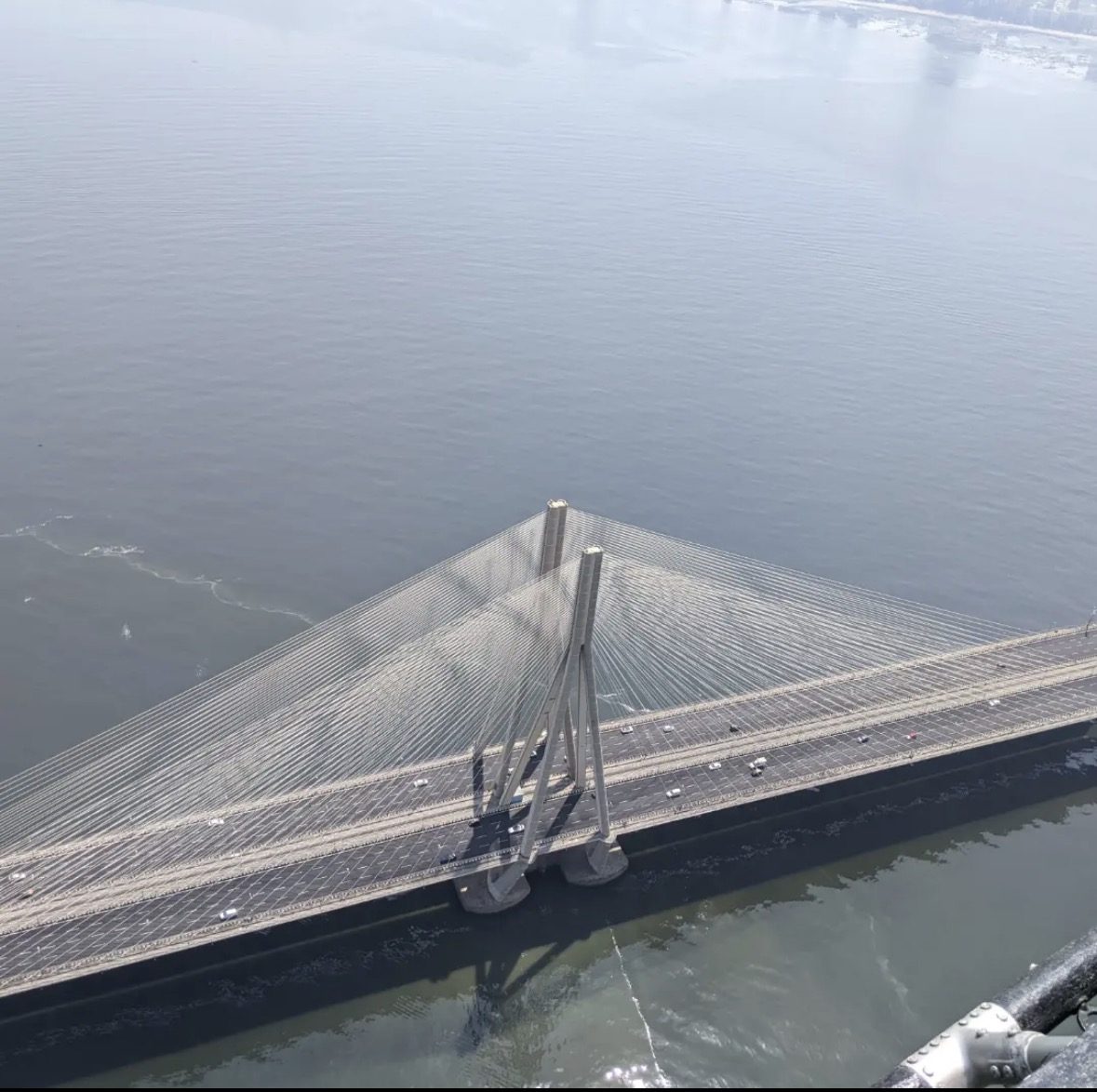
The 2010s marked a golden era for helicopter tourism in Mumbai, coinciding with India's rapid expansion as a global travel destination. The Bandra-Worli Sea Link, inaugurated in 2009, quickly became one of the most photographed landmarks on aerial tours, its 8-lane cable-stayed bridge spanning 5.6 kilometers across Mahim Bay offering spectacular photographic opportunities from above. Tourism bodies, including the Maharashtra Tourism Development Corporation (MTDC), began recognizing helicopter tours as a premium product worth promoting to international travelers seeking unique and immersive experiences beyond conventional sightseeing. This institutional acknowledgment added a layer of credibility and visibility to the emerging sector.
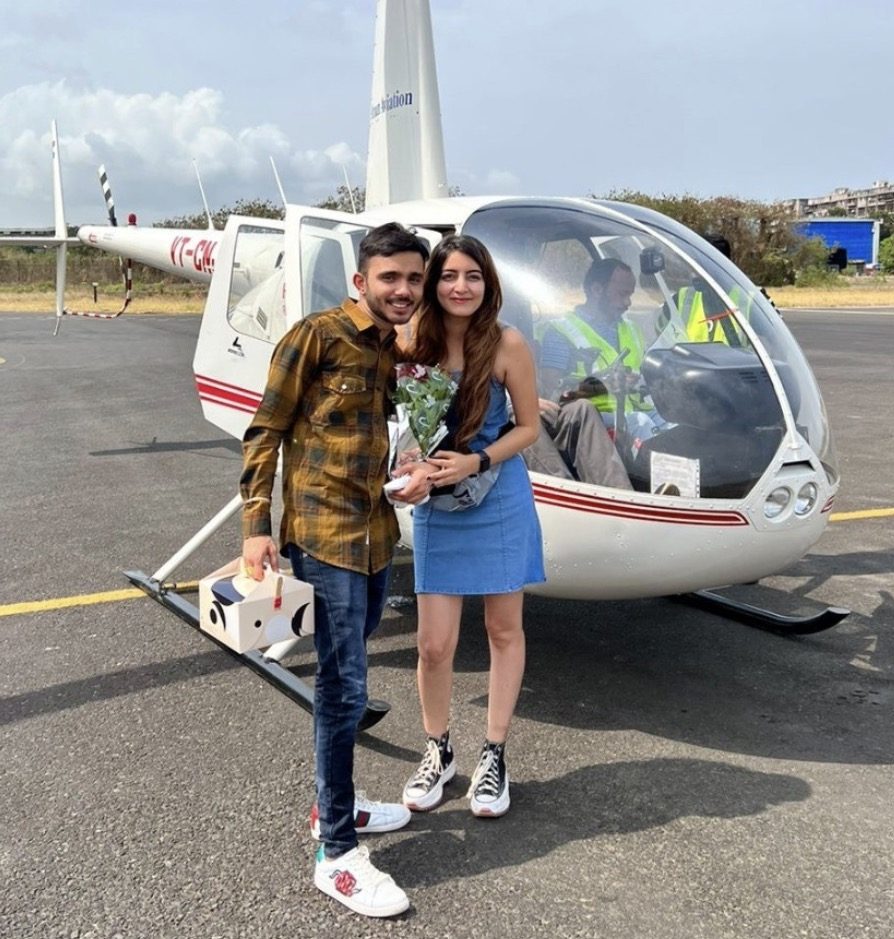
Operators such as Helicopter India and other licensed charter companies expanded their fleets and refined their tour packages to include themed experiences — sunrise flights over the Arabian Sea, wedding and proposal packages above the glittering city lights, and corporate event transfers with aerial sightseeing components. The introduction of door-to-door booking platforms and mobile applications in the mid-2010s dramatically lowered the barrier to entry for first-time flyers. Safety standards, always paramount in rotary-wing aviation, were rigorously maintained under the oversight of India's Directorate General of Civil Aviation (DGCA), which mandates regular airworthiness certifications, pilot licensing requirements, and strict operational protocols for all commercial helicopter operators.
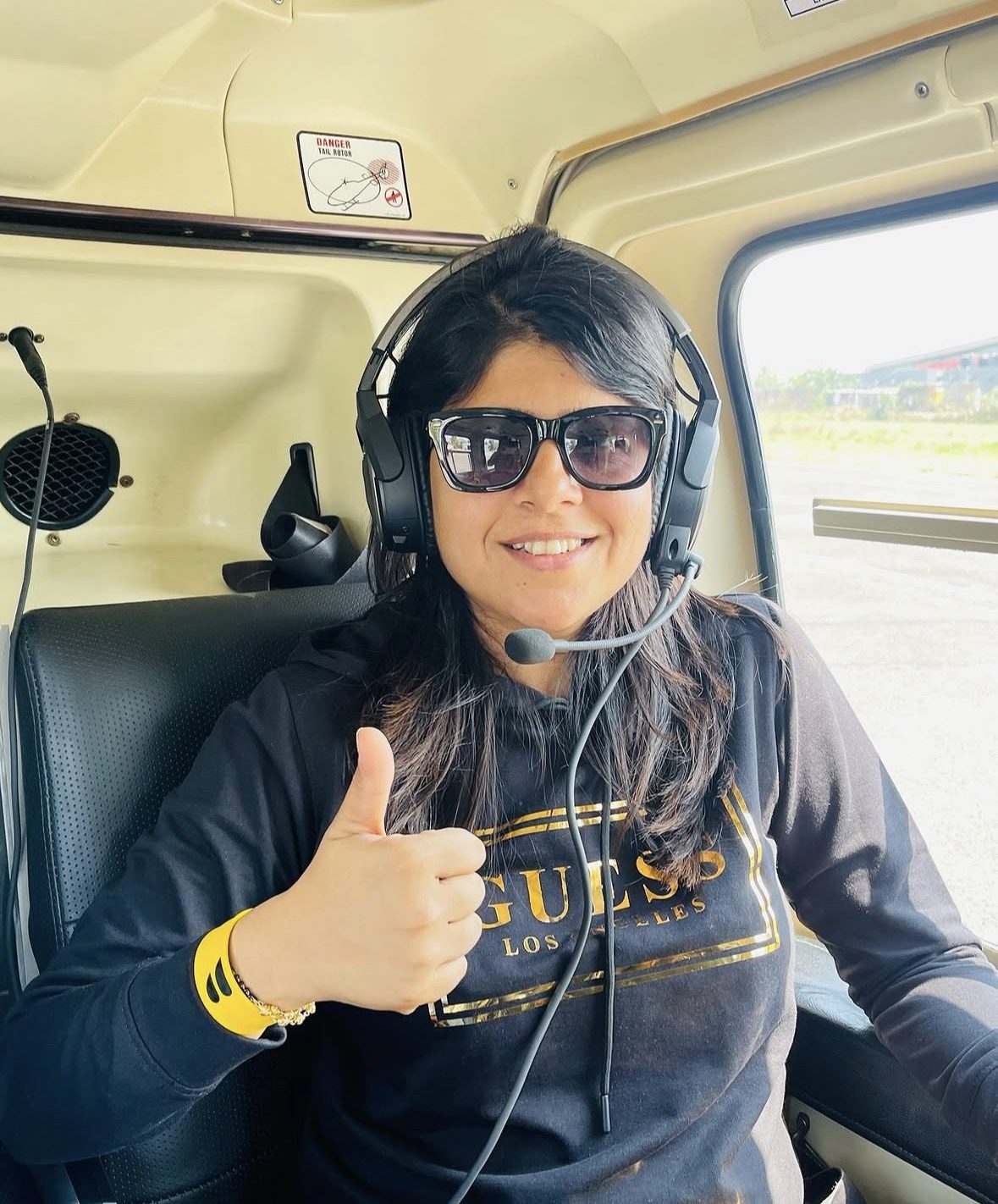
The COVID-19 pandemic of 2020–2021 temporarily grounded helicopter tourism across India, including Mumbai's thriving aerial sightseeing sector. However, the industry demonstrated remarkable resilience. Upon resuming operations in 2021, pent-up demand drove a surge in bookings, with many operators reporting that the pandemic had actually deepened travelers' appreciation for open-sky experiences and unique perspectives on familiar cities. Post-pandemic tours were enhanced with improved safety protocols, upgraded aircraft interiors featuring noise-canceling headsets and panoramic windows, and refined itineraries that incorporated new landmarks such as the under-construction Mumbai Coastal Road project and the expanding Navi Mumbai International Airport site.
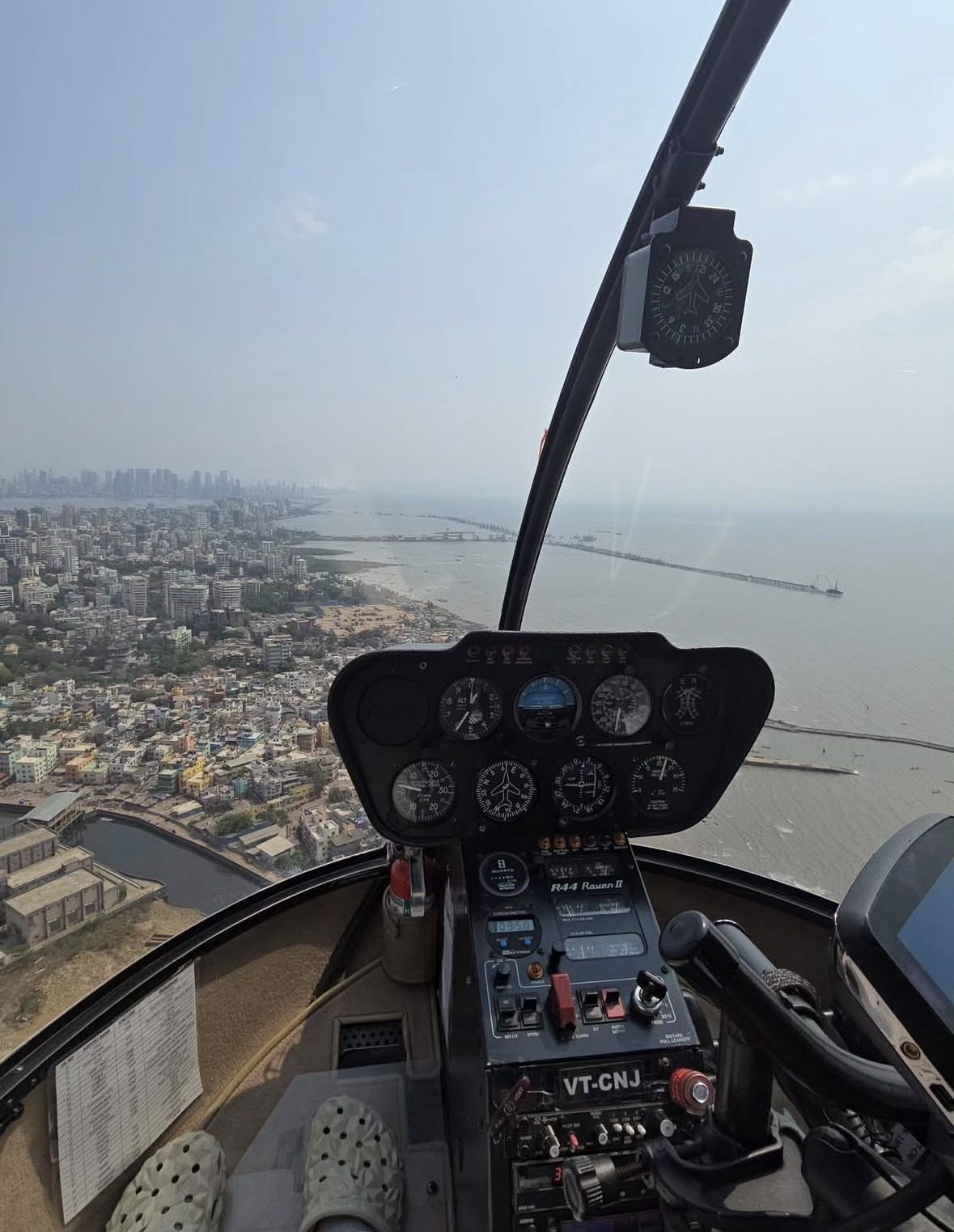
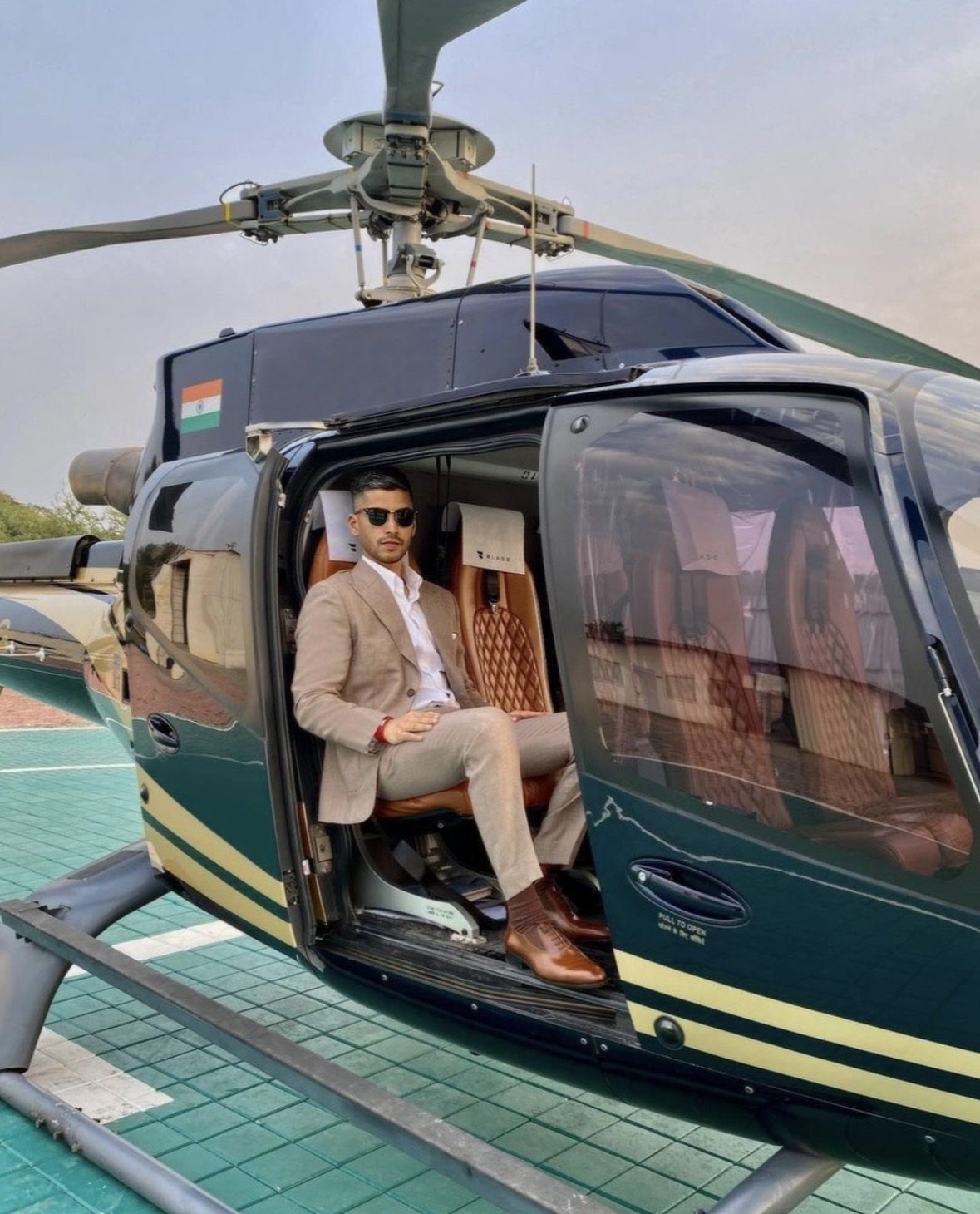
Today, taking a helicopter ride over Mumbai is one of the most distinctive experiences available to visitors in any Indian city. Modern tours depart from Juhu Aerodrome and typically cover a carefully curated route encompassing Marine Drive, the Gateway of India, Chhatrapati Shivaji Maharaj Terminus, Haji Ali Dargah sitting serenely on its tidal islet, Worli Sea Face, and the Bandra-Worli Sea Link. Flights are operated in helicopters accommodating between four and six passengers, piloted by DGCA-certified aviators with extensive experience navigating Mumbai's busy airspace. Many operators now offer professional photography packages, allowing guests to take home high-resolution aerial imagery as a lasting memento.
Whether you are a first-time visitor eager to grasp Mumbai's staggering scale, a seasoned traveler seeking a completely fresh perspective, or a local resident who has never truly seen their own city from above, a helicopter ride delivers an experience that is simply irreplaceable. The city's contrasts — gleaming glass towers beside fishing villages, colonial-era stone edifices beside futuristic infrastructure — are most profoundly understood from altitude. Bookings are readily available online with flexible scheduling throughout the year, and the experience remains one of the most talked-about and shared moments among travelers who visit the City of Dreams. Come see Mumbai the way it was always meant to be seen — from the sky.
Ready to Experience It Yourself?
Don't just visit Mumbai — soar above it and witness the City of Dreams in all its breathtaking, sprawling glory. Spaces on each flight are strictly limited, so secure your seat today and guarantee yourself a front-row view of one of the world's most extraordinary urban landscapes. Click below to compare tours, check live availability, and book your unforgettable aerial adventure over Mumbai.
Book Your Tour Now